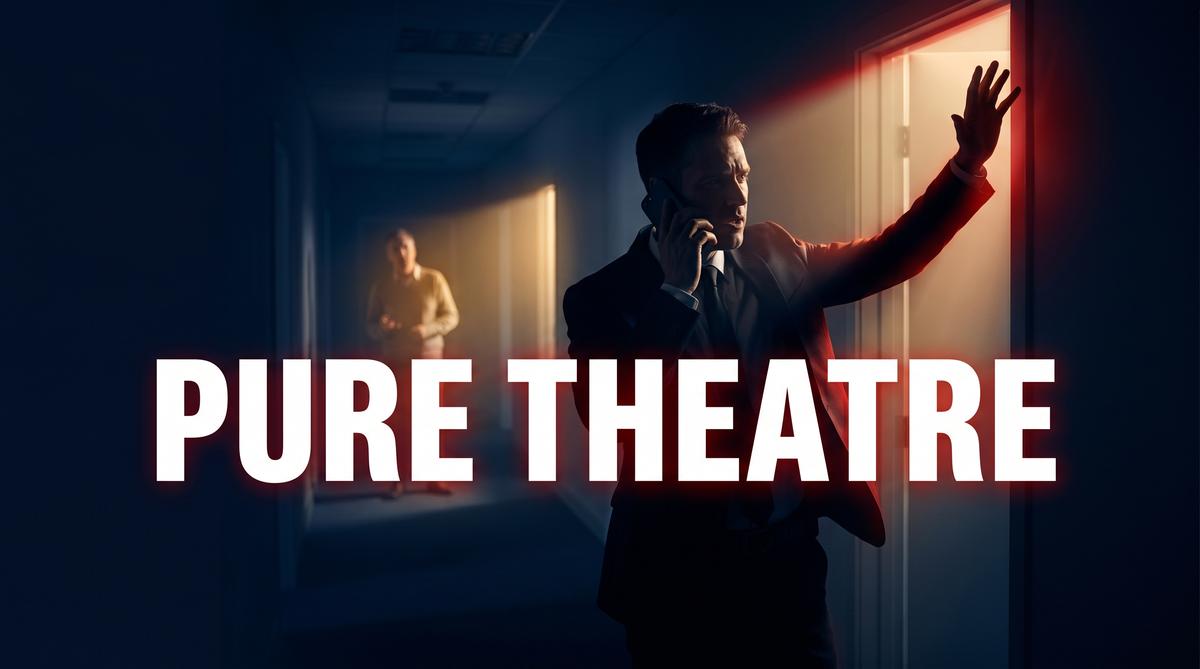
You've pushed back on the price. The salesperson pauses, looks slightly pained, and says:
They step outside, or lower their voice. There's a brief conversation. They come back looking like they've just done you a massive favour.
It is a performance. Every word of it.
The Truth About the Manager Call
The salesperson already knows the exact lowest price they are authorised to offer. It is printed in their files, stored on their laptop, or committed to memory from training. The "manager" on the phone — if there even is one — is not making any special decision. The discount was always available.
The call serves one purpose: to make you feel like you have won a hard-fought negotiation, so that you stop pushing and sign the contract.
The "this is the absolute maximum" line is particularly important. It is designed to close the door on any further negotiation. Once you believe you've hit the ceiling, most people stop asking.
You Haven't Hit the Ceiling
The real floor price — the lowest price the company will genuinely accept — is almost always significantly lower than what the "manager" just "authorised." The sliding scale goes all the way down to 60% off the book price.
Before you accept any "manager-approved" price, check it against our free Quote Checker. You may find the ceiling is considerably lower than they told you.